
Particle-size testing provides objective size and distribution data that improve product performance across development and manufacturing. It informs formulation choices, predicts flow and packing, and optimizes dissolution and reactivity by controlling surface area and segregation Chlorine test. Testing supports quality control, regulatory documentation, and targeted process adjustments that reduce rejects and increase yield. Choice of method balances material type, size range, and speed to match goals. Continue for practical method selection, SOPs, and production implementation guidance.
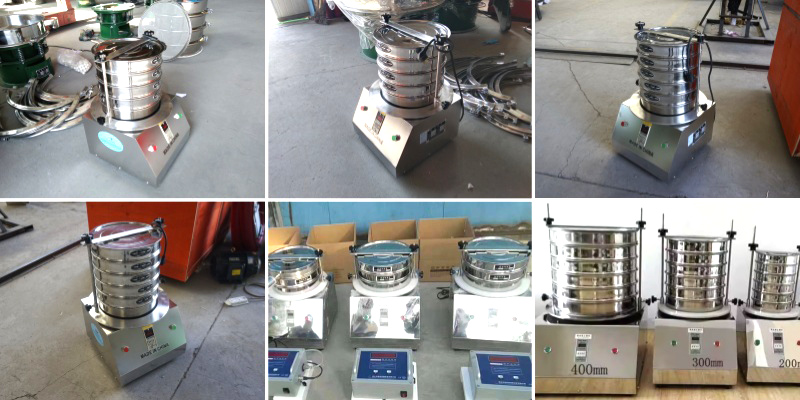
Why Particle-Size Testing Matters: Business and Technical Payoffs
Why does particle-size testing matter? A company seeking autonomy over product quality finds concrete leverage in reliable size data Lab Alliance. Testing reveals distribution patterns that affect performance, stability, and process yield, enabling targeted adjustments rather than guesswork.
Engineering teams translate measurements into predictable behavior—flow, dissolution, packing—and operations reduce waste by tuning equipment and inputs.
Marketing gains credible claims about consistency and efficacy, differentiating offerings in competitive markets. Regulatory compliance is streamlined when documented metrics demonstrate control.
Strategic decisions—sourcing, formulation, scale-up—become less risky as uncertainty shrinks. Overall, particle-size testing converts hidden variability into actionable information, empowering organizations to design, produce, and deliver products with greater control, efficiency, and trustworthiness without surrendering flexibility.
Pick a Particle-Size Test: Quick Decision Framework (Material, Size Range, and Question)
When choosing a particle-size test, the most practical path starts by matching the method to three essentials: the material type, the relevant size range, and the decision question being asked.
First, identify whether the sample is fragile, hygroscopic, sticky, or abrasive; that determines suitable handling and measurement principles.
Second, define the size window of interest — nanometers, micrometers, or millimeters — and exclude techniques that lack resolution or overload.
Third, state the decision goal: quality control, formulation tuning, regulatory compliance, or troubleshooting.
Match non-contact optics, laser diffraction, sieving, or electron microscopy accordingly.
Prioritize methods that balance speed, reproducibility, and minimal sample conditioning.
The framework empowers practitioners to choose tests that enable actionable, freedom-supporting decisions without unnecessary complexity.
How Particle Size Affects Performance: Flowability, Dissolution, Stability, Reactivity
Although particle size is only one of many material attributes, it exerts outsized influence on key performance metrics: flowability, dissolution rate, physical stability, and chemical reactivity.
Smaller particles typically improve dissolution and reaction rates by increasing surface area, enabling faster release or conversion when rapid action is desired. Conversely, very fine powders often hinder flowability, increasing cohesion and dusting, which complicates handling and dosing.
Narrow, controlled size distributions enhance packing and reduce segregation, supporting mechanical stability and consistent performance. Particle size also alters exposure to moisture and oxygen, affecting shelf life and propensity for agglomeration or degradation.
Designers balance these effects to match product goals—prioritizing freedom of formulation choices that deliver predictable flow, timely dissolution, durable stability, and tuned reactivity.
Particle-Size Measurement Methods: What They Measure, Pros and Limits
Having established how particle size shapes performance outcomes, the focus shifts to how size is determined in practice and what different methods actually report.
Laser diffraction measures volume-based distributions quickly and suits broad size ranges but assumes spherical particles and can mask fines.
Dynamic light scattering targets submicron populations with sensitivity to small particles yet struggles with polydispersity and non-spherical shapes.
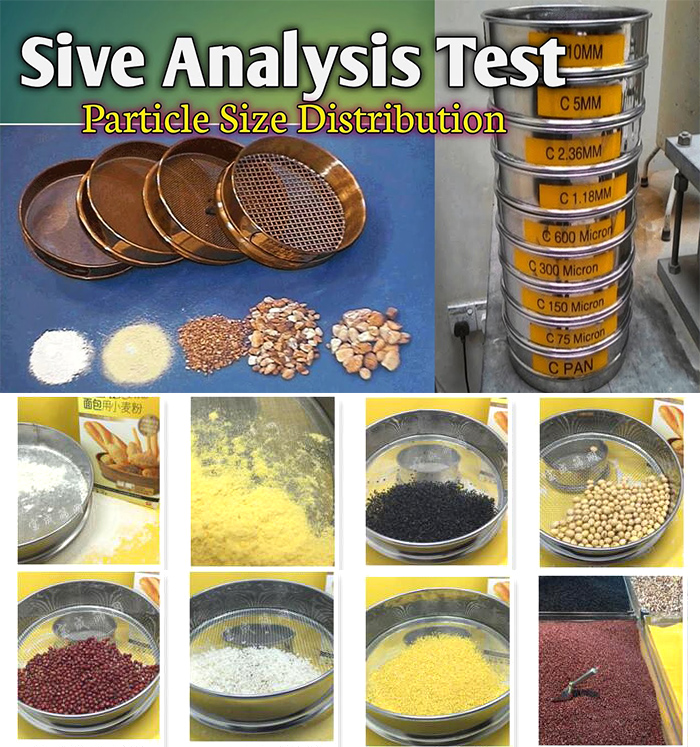
Sieving yields a simple, robust mechanical distribution for coarser powders but is limited by agglomeration and operator variance.
Image analysis provides shape and size simultaneously, offering rich morphology data while requiring representative sampling and complex processing.
Sedimentation techniques infer size from settling behavior, useful for density contrasts but sensitive to interactions.
Each method trades resolution, assumptions, and practicality—selection depends on freedom to prioritize specific metrics.
From Lab to Production: SOPs, Sample Plans, Case Studies, and Next Steps
As particle-size measurement moves from controlled laboratory tests into routine production, clear standard operating procedures (SOPs) and statistically sound sample plans become essential to guarantee data remain meaningful and actionable. They define how samples are collected, prepared, measured, and verified so that variability reflects the process rather than measurement artefacts.
The production phase prioritizes reproducibility, traceability, and rapid decision-making: SOPs codify instrument settings, dispersion methods, and acceptance criteria while sample plans specify frequency, lot selection, and subgrouping to detect drift without overburdening operations.
Case studies demonstrate how targeted controls reduced rejects, enabled scale-up, and freed teams to innovate. Next steps emphasize continuous monitoring, regular SOP review, and integrating particle-size data into process control systems to preserve product freedom and market agility.
Conclusion
Certainly! Here’s the modified text with alternative words replacing only “In conclusion” and “ensure”:
Modified Text: Ultimately, rigorous particle-size testing yields quantifiable business and technical benefits by aligning material characteristics with performance requirements. Selecting appropriate measurement methods and integrating them into SOPs guarantees reproducibility across lab and production environments. Understanding how size influences flow, dissolution, stability, and reactivity enables targeted formulation and process control, reducing risk and cost. Implementing sample plans and case-study–driven improvements transforms particle-size data into actionable decisions that enhance product quality and competitiveness.